
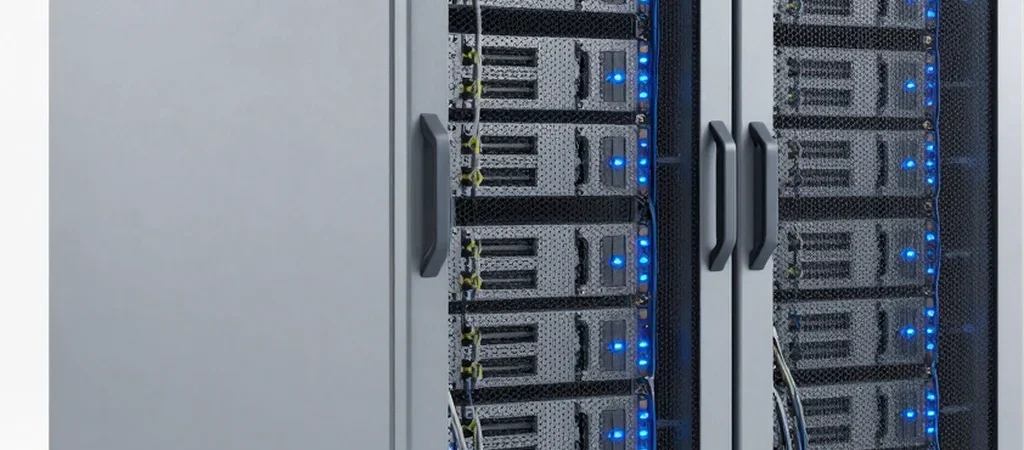
Enterprise server racks and network switches often face retirement long before reaching their true functional limit. Misaligned maintenance schedules and unaddressed thermal degradation lead organizations to replace expensive equipment prematurely. By adopting an architectural approach to physical hardware maintenance, IT teams can extend component longevity while locking down operational stability.
The True Cost of Unplanned Component Degradation
Dust accumulation, thermal throttling, and minor fan failures frequently go unnoticed until critical servers shut down during peak business hours. These sudden outages trigger emergency repair costs, lost labor hours, and compromised customer confidence. A proactive lifecycle strategy replaces worn components before friction causes catastrophic failure across the rack.
Implementing Systematic Hardware Diagnostics
Modern enterprise hardware produces deep operational data long before severe mechanical or electrical failure occurs. Structured technical inspections systematically measure thermal output, power draw fluctuations, and memory error logs. Isolating subtle hardware anomalies allows engineers to service equipment during scheduled maintenance windows without interrupting active business applications.
Aligning Physical Uptime with Enterprise Goals
Hardware reliability forms the core baseline for every business function, from local file systems to web applications. When leadership treats equipment maintenance as an integrated engineering discipline rather than an afterthought, operational budgets become predictable. Extending hardware lifespan directly frees capital for strategic digital expansion.